

Amplifiers
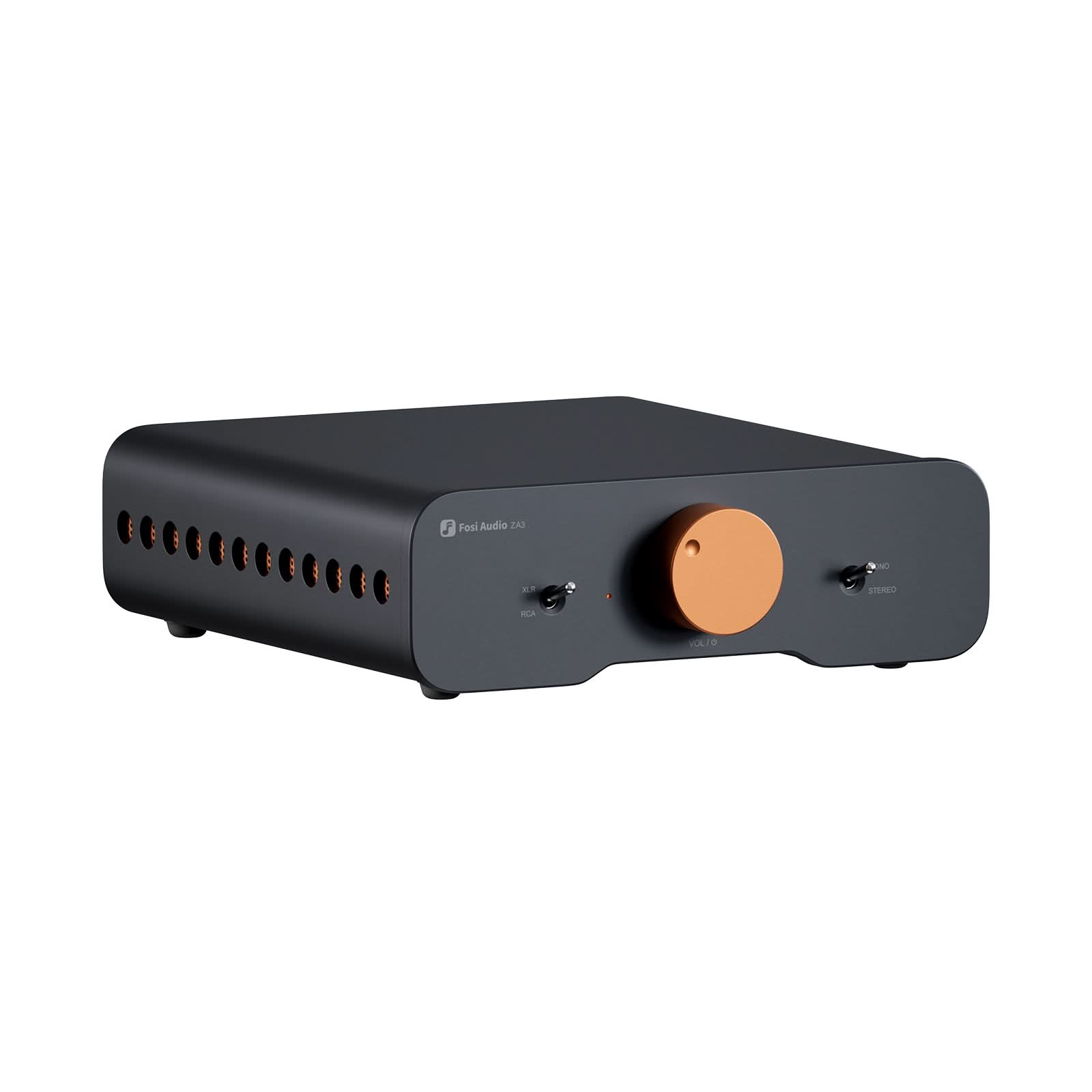
Fosi Audio ZA3 Balanced Dual-Mode Class-D Amplifier — Stereo + Mono Switchable
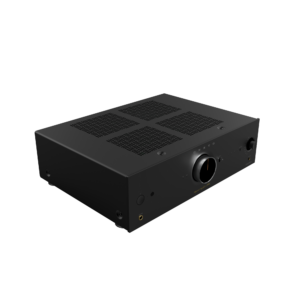
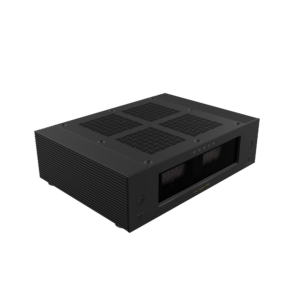
Fosi Audio ZA3 — new-generation mini Class-D amplifier with switchable stereo and mono modes in one chassis. Balanced XLR inputs feed a fully balanced signal path for reduced crosstalk. Flip a switch to run as stereo integrated (drives one pair of bookshelves), or as monoblock (bridge for higher power into a single speaker — buy two for a true dual-mono stack). TPA3255 chipset delivers reference-tier measurements. Compact desktop footprint. Perfect starter amp for pairs of passive bookshelves or a modular growth-path for a hi-fi system that scales from stereo monoblocks. Direct from Fosi with our promo code, or Amazon US.
$109.99
Fosi Audio ZA3 — Balanced dual-mode Class-D amp, switchable stereo or mono
The ZA3 is Fosi’s most flexible mini amp. Balanced XLR inputs feed a fully balanced signal path built on the TPA3255 chipset. What makes it different: a mode switch on the back that flips between stereo (drives one pair of speakers) and mono (bridged for higher power into a single speaker). Buy one for a stereo desktop system today; buy a second one next year for a true dual-mono monoblock stack — same architecture as the AIYIMA A20 MONO play but with balanced input built-in.
Why buy the ZA3
- Switchable stereo / mono modes — one amp today, two-amp monoblock stack next year. Modular growth path.
- Balanced XLR input — full balanced signal path, ideal partner for balanced DACs like AIYIMA D20 or Fosi S3.
- TPA3255 Class-D chipset — same reference silicon used in Fosi V3 and A20 MONO.
- Compact desktop footprint — fits any desk or shelf, doesn’t dominate.
- RCA + XLR inputs — works with any source, balanced or single-ended.
Who it’s for
Anyone building a modular hi-fi setup that might grow. Start with one ZA3 as a stereo desktop amp with a pair of bookshelves; upgrade to two ZA3s in mono mode for a dedicated monoblock rig with balanced input. Alternative to the AIYIMA A20 MONO if you want the flexibility of stereo mode plus balanced XLR built-in.
Who should skip it
Skip the ZA3 if you know you want stereo-only forever and don’t need balanced XLR input — the cheaper Fosi V3 (single-ended RCA only) delivers similar power at lower price. Also skip if you need dedicated headphone output.
Common questions
How much power in mono mode vs stereo? Stereo delivers ~150W × 2 into 4 ohm; mono (bridged) roughly doubles output into a single speaker for demanding low-sensitivity loads.
Can I run two ZA3 blocks off one AIYIMA 48V 10A GaN PSU? Yes — 10A rail has headroom for two ZA3 blocks in mono mode. See our AIYIMA 48V 10A GaN Power Supply.
How does ZA3 compare to Fosi V3? ZA3 adds balanced XLR input and mono mode. V3 is single-ended RCA only. Same TPA3255 chip underneath.
Where to buy
Fosi direct with our promo code, or Amazon US Prime. Both buttons below.
Editorial synthesis of publicly-available Amazon 5-star reviews, YouTube reviews from named channels (Passion for Sound, Kiss Analog, Fosi Audio official, cheapaudioman), and r/BudgetAudiophile / Head-Fi / Audio Science Review TPA3255 chipset threads as of 2026-08. Aggregated themes from real long-term owner reports.
What owners consistently praise
- Switchable stereo / dual-mono in one chassis is the killer feature. Passion for Sound's video ("This budget amp has a SECRET weapon! Fosi Audio ZA3 review") named the mono/stereo switch as the "secret weapon" that separates the ZA3 from every other budget TPA3255 amp — you get the option to try dual-mono later without buying new equipment.
- Balanced XLR + RCA inputs at this price is unusual. Owners running a balanced source (see the AIYIMA D20 Balanced DAC) into the ZA3 report an audible drop in noise floor versus single-ended feeds — a real reason to spend a little more than the entry-level Fosi V3.
- PFFB (Post-Filter Feedback) technology is not just marketing. ASR-adjacent Head-Fi threads consistently report the ZA3 measures cleaner than similarly-priced non-PFFB TPA3255 amps at higher output levels — a real technical advantage.
- Real balanced dual-mono mode = monoblock topology in one box. Owners who set the switch to dual-mono get separate power stages per channel with an internal split — Kiss Analog's coverage repeatedly emphasized this technical detail.
- Excellent grip on demanding 4-ohm speakers. Owners driving the Klipsch RP-500M II, HiVi-Swans D3.1 MkII, or Wharfedale Diamond 12.1 report the ZA3 handles them with headroom to spare.
- Cool operation. Class-D efficiency plus a decent chassis means owners run these on a shelf or in a rack without ventilation worries.
- Fosi Audio's after-sales support has a strong reputation. Amazon reviews repeatedly mention the manufacturer replaces DOA units quickly and answers technical questions on Reddit and their own forum — unusual for the price bracket.
Common use cases owners mention
- Single-chassis alternative to a monoblock pair. Owners cross-shopping the AIYIMA A20 MONO pair or the 3e Audio A7 often land on the ZA3 for the switchable flexibility and simpler cabling.
- Try stereo first, upgrade to dual-mono later. Owners buy one ZA3 in stereo mode, live with it a while, then optionally buy a second ZA3 and switch both to mono for true monoblock topology — clean upgrade path.
- Desktop nearfield with balanced source. The ZA3 + AIYIMA D20 balanced chain is a recurring r/BudgetAudiophile recommendation for owners building a proper desktop 2.0 rig.
- Small living room 2.0 setup with modern streamer. ZA3 fed from a WiiM Ultra or Fosi Audio S3 is a common combination for owners wanting streaming + amp + nothing else.
- Upgrade from a Fosi V3 or entry-level Aiyima. Owners moving up from the sub-$100 tier consistently name the ZA3 as the "real hi-fi" step where they hear the difference.
Common critical notes from long-term owners
- No built-in DAC or preamp. The ZA3 is a power amp with input switching. Owners need a DAC/preamp upstream — see the AIYIMA D20 or Topping E30 II.
- Stock power brick is adequate but not optimal. Owners on Head-Fi TPA3255 threads report an audible upgrade moving to a 48V 6A Linear PSU or a 48V 10A GaN PSU — cleaner background, better dynamics at low volume.
- Dual-mono mode requires two ZA3 units for stereo. Understand this before purchase: switching a single ZA3 to mono means you have one channel of amplification. For real dual-mono stereo, buy two ZA3s and set both to mono.
- No tone controls or room correction. Owners wanting EQ or Audyssey-style correction should look at a receiver-class product like the Denon AVR-X1800H or a WiiM Ultra with its built-in EQ.
- No streaming. This is a pure amp — feed it from a streamer/DAC.
- Some owners initially prefer the sound of stereo mode over dual-mono. The dual-mono advantage is subtle and depends on source purity — do not expect a night-and-day difference from flipping the switch. It is a technical improvement, not a flavor change.
Best pairings from real owner reports
- Source (balanced, community favorite): AIYIMA D20 Balanced DAC & Preamp — XLR out at variable volume straight into the ZA3's XLR in.
- Source (pure DAC + separate preamp): Topping E30 II in preamp mode into the ZA3 RCA input.
- Streamer/DAC hybrid: WiiM Ultra for streaming + DAC + preamp in one, feeding the ZA3.
- Speakers (all popular): Klipsch RP-500M II, HiVi-Swans D3.1 MkII, Wharfedale Diamond 12.1, Sony SS-CS5M2.
- Power supply upgrade: AIYIMA 48V 6A Linear PSU or 48V 10A GaN PSU.
- Alternative amplifier if dual-mono flexibility is not needed: 3e Audio A7 — cheaper, same chipset, similar sound.
- Alternative amplifier for real monoblock topology: AIYIMA A20 MONO pair — dedicated monoblocks with fully balanced signal path.
Recommended setup workflow
- Decide stereo mode vs dual-mono mode. If you only have one ZA3, use stereo mode. Dual-mono is only relevant if you have two ZA3s (one per channel).
- Feed from a balanced source if possible. The D20 XLR out into the ZA3 XLR in is the community-standard chain — you get the full noise-floor benefit of PFFB + balanced input.
- Verify speaker impedance. 4-ohm and 8-ohm passive speakers are fine. Avoid 2-ohm loads or exotic multi-driver arrays with dips below 3 ohms.
- Start with the stock PSU, upgrade later if the noise floor bothers you. Many owners never bother; those who do consistently prefer the 48V 6A Linear or 10A GaN upgrades.
- Set gain via the source, not the amp. Fixed-gain amp behavior — controlling volume from the D20 or preamp gives you the most resolution at low volumes.
- Break in for 100+ hours before A/B comparisons. TPA3255 amps consistently settle in the first weeks; do not judge on day one.
Overall verdict from owner community: the Fosi Audio ZA3 is the community-standard budget balanced amp with switchable topology on r/BudgetAudiophile, Head-Fi, and Audio Science Review TPA3255 threads — the amp to buy when you want the option of dual-mono without committing to a monoblock pair up front. Skip it if you want a full monoblock topology from day one (buy a pair of AIYIMA A20 MONO instead), if you need a built-in DAC/preamp (look at the AIYIMA A80 integrated), or if you need tone controls / streaming / room correction (Denon or WiiM). For flexibility per dollar in the TPA3255 category, this is what the community keeps recommending.
Specification
| Brand | Fosi Audio |
|---|---|
| Model | ZA3 |
| Type | Balanced Dual-Mode (Stereo + Mono Switchable) Class-D Amplifier |
| Amplifier Chipset | TPA3255 Class-D |
| Stereo Output | Approx. 150 W × 2 at 4 ohm |
| Mono Bridged Output | Approx. 300 W at 4 ohm (single speaker) |
| Mode Switch | Rear-panel stereo / mono toggle |
| Speaker Impedance | 4 - 8 ohm |
| Inputs | Balanced XLR, RCA |
| Signal Path | Fully balanced from XLR input to speaker output |
| Dimensions | Approx. 4.7 x 4.5 x 1.4 in (120 x 115 x 35 mm) |
| Weight | Approx. 0.9 lb (410 g) |
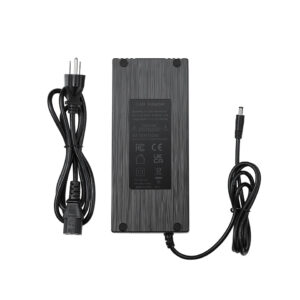
| Power Supply | External DC 32-48V adapter included |
| Certifications | CE, FCC, RoHS |
| Warranty | 18 months manufacturer |
| In The Box | ZA3 unit, DC power adapter, user manual |
Based on 0 reviews
Be the first to review “Fosi Audio ZA3 Balanced Dual-Mode Class-D Amplifier — Stereo + Mono Switchable”

Related products
-
DenonReceivers
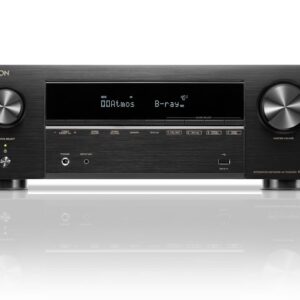
Denon AVR-X1800H 7.2-Channel 8K AV Receiver with Dolby Atmos, DTS:X, HEOS, Audyssey
Denon AVR-X1800H — the most-recommended sub-$600 AVR on r/hometheater in 2025-2026. 7.2 channels, 80W per channel, full Dolby Atmos + DTS:X support with height speakers, 6 in / 1 out HDMI 2.1 with 8K/60 and 4K/120 passthrough, HEOS wireless multi-room, and Audyssey MultEQ room correction. Perfect entry-tier home theater AVR that pairs with our reviewed HiVi D3.1 MKII or Klipsch RP-500M II as front L/R. $549 on Amazon US.
Audiophile community verdict: See what audiophiles say on r/hometheater review thread
SKU: n/a -
FiiOHeadphones
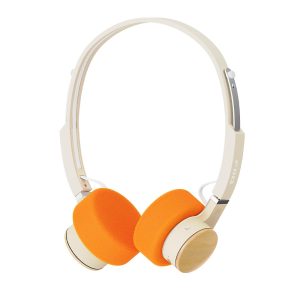
FiiO EH11 Retro On-Ear Bluetooth Headphones
Featured in our review: FiiO EH11 Review: LDAC Hi-Res Retro Headphones That Punch Way Above Their Price
FiiO EH11 — LDAC hi-res Bluetooth on-ear retro headphones under $130 with real 990 kbps LDAC codec for TIDAL / Qobuz / Apple Music hi-res streaming on Android (SBC + AAC fallback for iPhone). 40 mm dynamic drivers with warm-forward tuning that suits vocals, classic rock, and long listening sessions without fatigue. ~40 hours battery life, USB-C fast charging (10-min top-up delivers several hours of playback), 3.5 mm cable included for passive wired mode. Foldable retro form with included travel case fits in a backpack pocket; ~8.5 oz weight keeps them comfortable for all-day wear. FiiO build quality — metal accents, cushioned pads, real hinges. Undercuts most name-brand hi-res on-ear options while delivering codec-parity audio quality. Great daily-driver commuter pair or a “budget hi-res upgrade” from AirPods-tier wireless. Live price on Amazon below.
SKU: B0GGR18W7M -
WharfedaleSpeakers
Wharfedale Diamond 12.1 Bookshelf Speakers (Pair) — British Warm House Sound, 2024 What Hi-Fi Award
 Speakers
Wharfedale Diamond 12.1 Bookshelf Speakers (Pair) — British Warm House Sound, 2024 What Hi-Fi Award
Wharfedale Diamond 12.1 — the warmer, more musical British alternative to horn-loaded Klipsch RP-500M II. 2-way passive bookshelf with 5-inch woofer + 25mm soft dome tweeter, tuned for British hi-fi house sound (smooth vocals, non-fatiguing top-end, punchy mid-bass). 2024 What Hi-Fi Award winner. Consistently cited on r/BudgetAudiophile as the go-to “musical” bookshelf pair under $500. Great for jazz, acoustic, vocals, classical. $399/pair on Amazon US.
Audiophile community verdict: See what audiophiles say on What Hi-Fi 2024 Award review
SKU: n/a -
3e AudioAmplifiers
3e Audio A7 Next-Gen HiFi Stereo Amplifier — TPA3255 250W × 2 PBTL with Enhanced PFFB + 48V 5A PSU
 Amplifiers
3e Audio A7 Next-Gen HiFi Stereo Amplifier — TPA3255 250W × 2 PBTL with Enhanced PFFB + 48V 5A PSU
3e Audio A7 — reference-tier TPA3255 stereo amplifier with Enhanced PFFB (Post-Filter Feedback) topology delivering 250 W × 2 PBTL @ 4 ohm and a 48V 5A power supply included in-box. PFFB circuit dramatically lowers distortion at rated power vs. standard TPA3255 implementations, closing the gap on Class-AB refinement while keeping Class-D efficiency. Balanced input + speaker binding posts. The measurement-first Chi-Fi flagship in the $300 amp segment. $299.99 on Amazon US with Prime shipping.
SKU: n/a -
AIYIMAAmplifiers, DAC
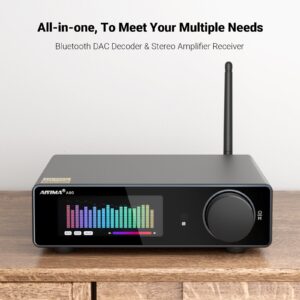
AIYIMA A80 DAC Amplifier — ES9038Q2M + TPA3255 + Tube Preamp (Bluetooth 5.1 aptX-HD)
AIYIMA A80 — hybrid integrated amplifier with ES9038Q2M Sabre DAC, vacuum tube preamp stage, and TPA3255 Class-D power amp in one compact chassis. Delivers approximately 150 W × 2 into 4 ohm speaker output while the tube preamp adds warmth and subtle harmonic saturation before the Class-D final stage — tames “digital edge” that some listeners find fatiguing on pure solid-state chains. Full digital input suite: USB DAC (PCM up to 384 kHz / DSD256 native), optical, coaxial, plus Bluetooth 5.1 with aptX-HD codec. Passive speaker binding posts drive bookshelves and small towers; RCA pre-out feeds a subwoofer or external power amp. One chassis replaces a separate DAC + preamp + power amp for under $400. Pairs beautifully with 87-90 dB sensitivity bookshelves — HiVi-Swans D3.1 MKII, Klipsch RP-500M II, ELAC Debut. Direct from Aiyima with our promo code.
SKU: aiyima-a80 -
iFi AudioPower Supply
iFi iPower X 5V Ultra-Low-Noise Audiophile Power Supply — ANC II Silent Power Technology
 Power Supply
iFi iPower X 5V Ultra-Low-Noise Audiophile Power Supply — ANC II Silent Power Technology
iFi iPower X 5V — the go-to wall-wart upgrade for USB DACs, network streamers, and Raspberry Pi audio builds. iFi’s Active Noise Cancellation II technology drops the noise floor 40+ dB vs stock switching power supplies. Ubiquitous in r/BudgetAudiophile “upgrade my rig” threads — cheaper than a true linear supply, cleaner than any stock wall wart. Works with any USB-powered audiophile device that accepts 5V. $99 on Amazon US.
Audiophile community verdict: See what audiophiles say on ASR forum review thread
SKU: n/a -
Fosi AudioStreamer
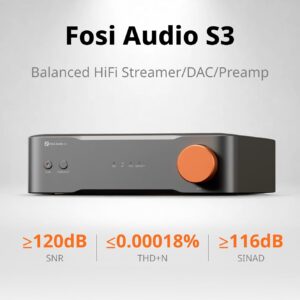
Fosi Audio S3 HiFi Streamer, DAC and Preamp — AK4493SEQ, WiFi 6, Roon Ready, AirPlay 2
Fosi Audio S3 — full HiFi streamer + DAC + preamp in one compact chassis. Premium AKM AK4493SEQ Velvet Sound DAC (used in units 3-4× the price), Roon Ready native endpoint, AirPlay 2 for Apple ecosystems, Bluetooth 5.0 with LDAC codec for hi-res wireless, plus WiFi 6 for stable congested-network streaming. Balanced XLR + RCA preamp outputs feed any power amp — perfect matched source for AIYIMA A20 MONO or any balanced integrated. Digital inputs: USB (PCM up to 384 kHz / DSD256 native), optical, coaxial S/PDIF; analog RCA line-in accepts turntable phono pre-amps. TIDAL Connect + Spotify Connect + DLNA + web UI + Fosi app for full source flexibility. Under $300 collapses a $500 streamer + $250 DAC + $200 preamp rack into one desktop-footprint box. Direct from Fosi with our promo code, or Amazon US Prime — both buttons below.
Audiophile community verdict: See ASR forum streamer / DAC discussions
SKU: fosi-audio-s3 -
HiVi-SwansSpeakers
HiVi-Swans OS-10 Active Bluetooth 5.0 Desktop Speakers 4″ Woofer
HiVi-Swans OS-10 — active 2.0 desktop bookshelf speakers with 4-inch woven-fiber woofer and silk-dome tweeter per side, rear bass port, built-in Class-D amplification (no separate amp needed), Bluetooth 5.0, RCA line-input, and 3.5 mm aux for laptop / turntable / TV integration. Signature Swan Speakers tuning — neutral midrange, unfatiguing silk-dome top end, tight rear-ported bass down to around 55 Hz — in a compact self-powered form that fits either side of a 24-27 inch monitor without dominating desk space. Right-side speaker is the master with all connections; left-side driven by included speaker cable. One-cable-plus-power-plus-source-input plug-and-play desktop hi-fi. Different animal than the passive HiVi-Swans D3.1 MKII — this one is self-powered, no receiver or integrated amp required. Live price on Amazon below.
Audiophile community verdict: See r/BudgetAudiophile community threads
SKU: B0FK8RRWJS -
HiVi-SwansSpeakers
HiVi-Swans M300MKII Active 3-Way 360W Studio Monitor Speakers with Bluetooth + WiFi (Pair)
HiVi-Swans M300MKII — flagship active 3-way audiophile bookshelf speakers with 360W RMS total power, 6.5″ woofer, and integrated Bluetooth + WiFi + isodynamic ribbon tweeter. Studio-monitor precision meets high-end audiophile styling in a fully-active all-in-one design. Z Reviews’ “So about the best” viral pick — the M300MKII sits at the top of the HiVi-Swans active bookshelf lineup as the reference tier under $1000. Perfect for desktop, PC/TV, turntable, or main-room stereo where you want maximum sound quality without a separate amp.
SKU: n/a -
AIYIMAPower Supply
AIYIMA 48V 6A Linear Power Supply for TPA3255 Class-D Amplifiers
AIYIMA 48V 6A Linear Power Supply — dedicated 288W desktop DC brick engineered for TPA3255 Class-D amplifiers and similar 32-48V hi-fi amp platforms. Delivers stable regulated 48V rail at up to 6A continuous, letting your A20 MONO / A07 / A07 PRO / A07 Max reach rated power output without voltage sag under sustained load. Universal AC 100-240V input with region-specific plug option: US, EU, UK, or AU — selected at checkout. Cleaner regulation and lower noise floor than generic switching supplies. Ideal upgrade when the stock 32V adapter is bottlenecking your TPA3255 amp. Pairs perfectly with the AIYIMA A20 MONO monoblocks (run one PSU per amp for full dual-mono isolation). $35.99 direct from Aiyima with our promo code.
SKU: aiyima-48v-6a-linear-psu -
SennheiserHeadphones
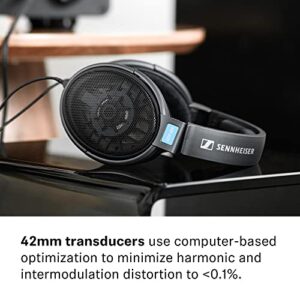
Sennheiser HD 600 Audiophile Open-Back Dynamic Wired Headphones — 300-Ohm Reference Neutral Tuning, 25+ Year Community Pedigree
 Headphones
Sennheiser HD 600 Audiophile Open-Back Dynamic Wired Headphones — 300-Ohm Reference Neutral Tuning, 25+ Year Community Pedigree
Sennheiser HD 600 Audiophile Open-Back Dynamic Wired Headphones — the reference open-back audiophile headphone the community has been recommending for 25+ years. 300-ohm dynamic driver, extraordinarily flat neutral tuning, user-replaceable earpads, headband, and cable. Reviewed by The Headphone Show (“The HD 600 is STILL one of the best headphones“). Requires a proper headphone amp — pair with the AIYIMA H4 desktop headphone amp and AIYIMA D20 DAC for a full reference chain under $500.
SKU: sennheiser-hd-600 -
HiVi-SwansSpeakers
HiVi-Swans Oasis 140 Passive 2-Way HiFi Bookshelf Speakers (Pair)
HiVi-Swans Oasis 140 — passive 2-way HiFi bookshelf speakers designed for TV desktop stereo systems and home theater surround duty. Needs an external amplifier or AV receiver to operate. Compact cabinet with tuned 4-inch bass driver and silk-dome tweeter delivers the trademark HiVi-Swans clarity and imaging at genuine budget-audiophile pricing. The 2026 successor to the cult-favorite HiVi-Swans D1080 and D3.1 designs — cheapaudioman-approved as one of the very few budget bookshelves worth recommending in 2026.
Audiophile community verdict: See r/BudgetAudiophile HiVi Oasis discussions
SKU: n/a -
MICCASpeakers
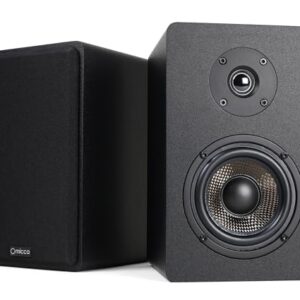
Micca MB42X Advanced 2-Way Passive Bookshelf Speakers (Pair) — Original Carbon-Fiber Bookshelf Reviewed by Z Reviews
 Speakers
Micca MB42X Advanced 2-Way Passive Bookshelf Speakers (Pair) — Original Carbon-Fiber Bookshelf Reviewed by Z Reviews
Micca MB42X Advanced 2-Way Passive Bookshelf Speakers — the original carbon-fiber Micca reviewed by Z Reviews in the classic “Z Review – Micca MB42X” video. 4-inch woven carbon-fiber woofer, 0.75-inch silk-dome tweeter, front-firing port (wall-friendly), 5-way binding posts. Same tier as the newer MB42X G2 refresh — buy whichever Amazon has at the better price. Pair with AIYIMA A20 Stereo 2.1 or Fosi ZA3 for a full sub-$300 hi-fi rig.
SKU: micca-mb42x-advanced -
AIYIMAAmplifiers
AIYIMA D20 Balanced Bluetooth DAC & Preamp with Headphone Amp
AIYIMA D20 — flagship desktop balanced Bluetooth DAC and preamp with dedicated headphone amp, three units in one chassis. Balanced XLR + RCA preamp outputs feed any power amp cleanly (natural pairing with the AIYIMA A20 MONO monoblocks for a full dual-mono chain). Bluetooth 5.0 with LDAC and aptX-HD codecs — real 990 kbps hi-res wireless from TIDAL, Qobuz, and Apple Music, not compressed dongle Bluetooth. Front-panel headphone amp drives planars and 300 ohm dynamics without breaking a sweat. USB DAC input handles PCM up to 32-bit / 384 kHz and DSD256 native; optical and coaxial S/PDIF cover legacy digital sources. Analog volume control tracks perfectly at low listening levels — no channel imbalance. Replaces a $300 DAC + $200 preamp + $150 headphone amp stack in one $299 unit. Pre-order live, ships July 29 direct from Aiyima with our promo code.
SKU: aiyima-d20 -
KlipschSpeakers
Klipsch Reference Premiere RP-500M II Bookshelf Speakers Pair
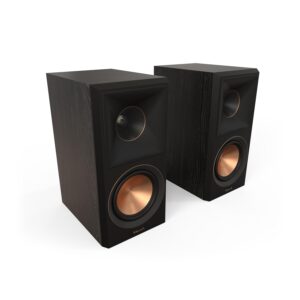
Klipsch Reference Premiere RP-500M II — horn-loaded 2-way bookshelf speakers pair refreshed with a redesigned Tractrix waveguide and stiffer 5.25″ copper-spun woven-cone woofer. 96 dB sensitivity — one of the highest in the sub-$700 bookshelf class — means a modest 25-50 W stereo integrated amp gets you to reference volume without needing an expensive receiver. Signature Klipsch dynamics: efficient, lively, forward top end, tolerant of modest amplification. The refreshed Tractrix horn cuts the “shoutiness” older RP-500M was sometimes accused of while keeping the dynamic snap. Rear-firing bass port + dual binding posts (bi-wire / bi-amp capable). Ideal front L/R for a small-to-medium home theater, or a punchy stereo pair driven by a warm tube integrated to balance the horn’s forward energy. Pairs excellently with modest tube integrated amps, Yamaha A-S301, Marantz PM6007, or AIYIMA A20 MONO stack. Live price on Amazon below.
Audiophile community verdict: See r/BudgetAudiophile RP-500M discussions
SKU: B09V5QVDRS -
KlipschSpeakers
Klipsch Reference Premiere RP-600M II Ebony Bookshelf Speakers Pair
Klipsch RP-600M II — the step-up Reference Premiere bookshelf pair with a larger 6.5″ copper-spun woven-cone woofer (vs 5.25″ on the RP-500M II) and the same redesigned Tractrix waveguide. 96 dB sensitivity — drives loud on modest amplification. Ebony finish, refined dynamics, rear-firing bass port + dual binding posts. The bigger sibling of the RP-500M II for larger rooms or listeners who want fuller low-end without a subwoofer. $489.99 on Amazon US with Prime shipping.
SKU: n/a -
BeatsHeadphones
Beats Studio Pro Wireless Over-Ear ANC Headphones — USB-C Lossless, 40h Battery
Beats Studio Pro — Apple’s premium wireless over-ear ANC headphone, at Amazon under half of $350 MSRP. What earns the “budget audiophile” mention: USB-C wired lossless audio (bypasses Bluetooth codec compression entirely), proper 40 mm dynamic drivers with retuned frequency response vs the old Studio 3, active noise cancelling, transparency mode, 40-hour battery (ANC off) / 24-hour (ANC on). Cross-platform: full Apple integration via H2 chip (spatial audio + head tracking on iPhone / iPad / Mac), full Android via Soundcore-style app + LDAC-free Bluetooth 5.3 with SBC / AAC. Under $170 makes it a legitimate alternative to Sony WH-1000XM4 refurb, Bose QC45, and the more budget-oriented Soundcore Space One Pro. Live price on Amazon below.
Audiophile community verdict: See RTINGS lab measurements
SKU: B0C8PR4W22 -
SMSLAmplifiers
SMSL AO200 MKII 160W×2 Integrated Amplifier with MA5332MS + Balanced XLR + 8-Band EQ
SMSL AO200 MKII — the community-hyped Class-D integrated amp built on the MA5332MS chip (Infineon’s TPA3255 competitor). Delivers 160W × 2 into 4Ω with balanced XLR input, RCA in, subwoofer output, and an 8-band EQ controlled by remote. Frequently cited on r/BudgetAudiophile and ASR forum as the “AIYIMA A80 killer” at similar money. Reference-tier measurements: THD+N below -100 dB, dynamic range 120+ dB, load-independent frequency response. $249 on Amazon US.
Audiophile community verdict: See what audiophiles say on ASR forum review thread
SKU: n/a -
WiiMAmplifiers, Streamer
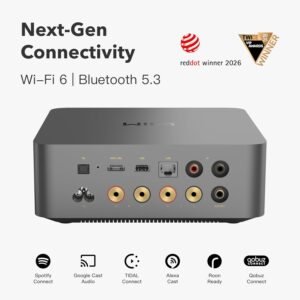
WiiM Amp Ultra Streaming Amplifier — 100W/ch, HDMI ARC, RoomFit, 3.5″ Touchscreen
 Amplifiers, Streamer
WiiM Amp Ultra Streaming Amplifier — 100W/ch, HDMI ARC, RoomFit, 3.5″ Touchscreen
WiiM Amp Ultra — the amp-in-a-box flagship of the WiiM streaming line. 100 W/channel into 8 Ω (200 W into 4 Ω) via a beefier power supply than the WiiM Amp Pro, paired with an ES9039Q2M ESS Sabre DAC, HDMI ARC input for TV audio, RoomFit room correction (WiiM’s take on Dirac Live — free and built-in), and a 3.5″ full-color touchscreen for source and volume without opening the app. Full streaming stack: Wi-Fi 6, AirPlay 2, Chromecast, Spotify / Tidal / Amazon Music / Qobuz Connect, Roon Ready. Sibling to our WiiM Ultra streamer (streaming source only, no amp) — this one adds the amp stage in the same chassis. Under $500 on Amazon for an all-in-one that replaces streamer + DAC + integrated amp + Dirac-style room correction. Live price on Amazon below.
Audiophile community verdict: See ASR forum WiiM Amp Ultra thread
SKU: n/a -
AIYIMAAmplifiers
AIYIMA D03 HiFi Bluetooth 5.0 Amplifier 2.1 Channel 150W with Sub Out
AIYIMA D03 — 2.1-channel HiFi Class-D amplifier delivering 150W × 2 into 4 ohm stereo output plus a dedicated line-level subwoofer pre-out with adjustable low-pass crossover. Full digital input suite: USB DAC (up to PCM 384 kHz / DSD256), optical, coaxial, Bluetooth 5.0 with APTX-LL codec for low-latency movie and gaming audio, plus RCA line-in for turntables and legacy sources. TPA3255-class amplification drives bookshelf speakers and small towers cleanly, while the dedicated sub output turns any pair of passive speakers into a real 2.1 desktop, den, or living-room system. Replaces a $100 Bluetooth adapter + $100 USB soundcard + $200 stereo receiver in one compact $160 chassis. Ideal front-end for HiVi-Swans, Klipsch, or ELAC bookshelves paired with a compact 10″ or 12″ powered subwoofer. Direct from Aiyima with our promo code — cheapest US-shipped price.
SKU: aiyima-d03 -
FiiODAC
FiiO K13 R2R Desktop DAC and Headphone Amp — Discrete R2R Ladder
FiiO K13 R2R — flagship discrete R2R ladder DAC and headphone amp of FiiO K-series. Uses a fully discrete 24-bit R2R ladder DAC circuit (physically different topology than the delta-sigma DACs found in most sub-$500 units) for a warmer, more analog top-end that many listeners prefer for long sessions, vocal-forward music, or hot recordings. Full digital input suite: USB (PCM/DSD), coaxial and optical S/PDIF, plus Bluetooth 5.1 with LDAC codec. Balanced XLR + 4.4 mm + single-ended 6.35 mm headphone outputs — full balanced signal path from DAC through amp to jack reduces channel crosstalk. Drives cleanly from 32 ohm IEMs to 300 ohm Sennheiser HD 800S with high-gain headroom. Metal chassis, weighted knob, MQA rendering support over USB (Roon / TIDAL). Serious desktop chain territory at K-series pricing. Live price on Amazon below.
Audiophile community verdict: See ASR forum R2R DAC discussions
SKU: B0FQ4SVMGY -
SMSLAmplifiers
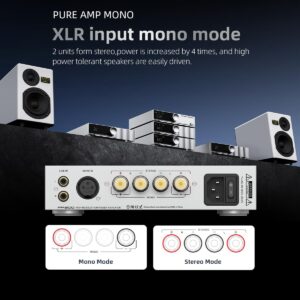
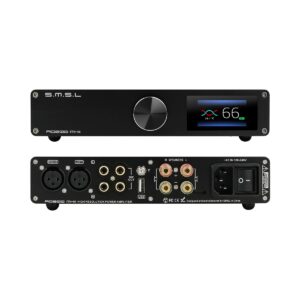
SMSL PA200 Power Amplifier — Balanced XLR + 4 Modes (Stereo/Mono/Pure Post Stage/Through), PGA2311 Volume, 200W/4Ω
 Amplifiers
SMSL PA200 Power Amplifier — Balanced XLR + 4 Modes (Stereo/Mono/Pure Post Stage/Through), PGA2311 Volume, 200W/4Ω
SMSL PA200 flexible-mode class-D power amp with balanced XLR + RCA inputs, PGA2311 analog volume, four operating modes (Stereo, Mono bridged, Pure Post Stage, Through). Perfect Pure Post Stage companion for AV receivers like Onkyo TX-RZ50 in 7.1.4 layouts, or single-chassis alternative to AIYIMA A20 MONO pair. ~200W/4Ω stereo, ~400W/4Ω mono.
SKU: SMSL-PA200 -
WiiMStreamer
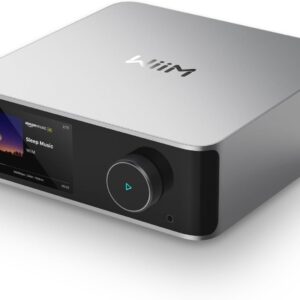
WiiM Ultra Network Music Streamer — 3.5″ Touchscreen, ES9038 Q2M DAC, HDMI ARC, Phono In, Roon Ready
 Streamer
WiiM Ultra Network Music Streamer — 3.5″ Touchscreen, ES9038 Q2M DAC, HDMI ARC, Phono In, Roon Ready
WiiM Ultra — the streamer that killed Bluesound Node at half the price. 3.5-inch color touchscreen, ES9038 Q2M DAC, USB DAC in, HDMI ARC, phono input for turntables, Roon Ready, AirPlay 2, Spotify/TIDAL/Qobuz Connect, and optional Dirac Live room correction. The “no-brainer streamer” of 2025-2026 — universally praised by r/BudgetAudiophile, r/audiophile, and every hi-fi YouTuber. $329 on Amazon US.
Audiophile community verdict: See what audiophiles say on r/BudgetAudiophile first impressions thread
SKU: n/a -
Fosi AudioStreamer
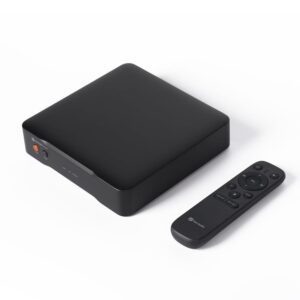
Fosi Audio S3 Lite Stream Receiver — Wi-Fi 6 + Bluetooth + LAN, 32-bit/768kHz USB-Out (Digital Transport, BYO-DAC)
 Streamer
Fosi Audio S3 Lite Stream Receiver — Wi-Fi 6 + Bluetooth + LAN, 32-bit/768kHz USB-Out (Digital Transport, BYO-DAC)
Fosi Audio S3 Lite — 2025 stripped-down streaming transport. Wi-Fi 6 + Bluetooth + LAN feeding 32-bit/768kHz USB-out to your own DAC. Positions below the flagship Fosi S3 (which has built-in DAC + preamp). Buy the Lite if you already own a DAC or want to spec one deliberately; buy the flagship S3 for one-box streamer + DAC + preamp.
SKU: FOSI-S3-LITE -
OnkyoAmplifiers, Streamer
Onkyo Muse Y-50 Network Streamer & Integrated High-Power Amplifier (Black)
Onkyo Muse Y-50 — flagship all-in-one network streamer with integrated Class-AB high-power amplification. Combines hi-res streaming (WiFi + Bluetooth + Ethernet), DAC, preamp, and Class-AB power amp in one chassis – replaces a full rack of separates for less than the cost of a mid-tier standalone streamer. Drives 4-8 ohm bookshelves and small floorstanders with refined power. $1,499 direct from Onkyo, or Amazon US with Prime shipping.
SKU: n/a -
EversoloDAC
Eversolo DAC Z10 Balanced Preamp + Headphone Amp — Fully Isolated Architecture, HDMI, AES/EBU, IIS
-15%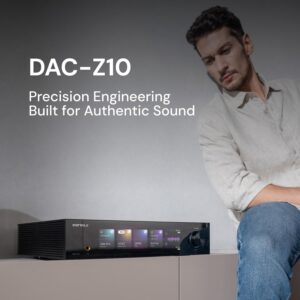 DAC
DACEversolo DAC Z10 Balanced Preamp + Headphone Amp — Fully Isolated Architecture, HDMI, AES/EBU, IIS
Eversolo DAC Z10 — the flagship desktop DAC from Zidoo’s audiophile brand. Positioned squarely against Chord Qutest ($1,800), RME ADI-2 Pro FS ($2,300), and Denafrips Pontus II ($1,900) — with an almost identical spec sheet at hundreds less. Fully isolated architecture (dedicated separate PSUs for digital, DAC, analog, and headphone amp sections), fully balanced XLR + RCA preamplifier stage, discrete headphone amplifier module with balanced 4.4 mm + single-ended 6.35 mm. Input suite covers everything a modern desktop needs: USB Audio, Coaxial, Optical, AES/EBU, IIS (HDMI-based I2S), HDMI ARC. Native PCM 768 kHz / DSD512 + MQA rendering. Ships with remote control (rare at this tier). Under $2K on Amazon for a fully-isolated balanced preamp/DAC/headphone amp combo — this is the “endgame or near-endgame” desktop DAC for anyone stepping up from our FiiO K11 R2R or K13 R2R. Live price on Amazon below.
Audiophile community verdict: See ASR forum flagship DAC discussions
SKU: B0G4WXZ4LY -
FiiOAmplifiers
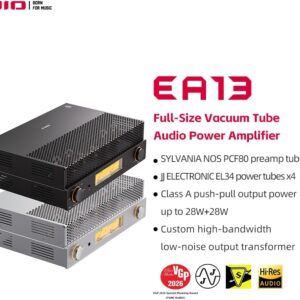
FiiO EA13 Class A Push-Pull Tube Integrated Amp — EL34 x4, 28W/ch, VU Meters, Headphone Out
 Amplifiers
FiiO EA13 Class A Push-Pull Tube Integrated Amp — EL34 x4, 28W/ch, VU Meters, Headphone Out
FiiO EA13 — the K-series brand you know from the FiiO K11 / K11 R2R / K13 R2R DAC line goes big: a real Class A push-pull tube integrated amplifier with four EL34 vacuum tubes, 28 W/channel into 4-8 Ω, 4 RCA inputs, dedicated headphone output, and dual analog VU meters. This is a proper 18 kg tube amp with 400V+ B+ rail, not a hybrid or “tube preamp with Class D power stage” gimmick. Under $800 for a real EL34 push-pull integrated — that price point used to start at $1,500+ from PrimaLuna or Willsenton. Drives high-efficiency dynamic speakers (Klipsch Heritage, Zu Audio, high-sensitivity Wharfedale) plus most 88+ dB bookshelves with tube warmth and dynamics tube fans buy tubes to hear. Live price on Amazon below.
Audiophile community verdict: See ASR forum tube amp discussions
SKU: B0HCV7HQ3K -
HiVi-SwansSpeakers
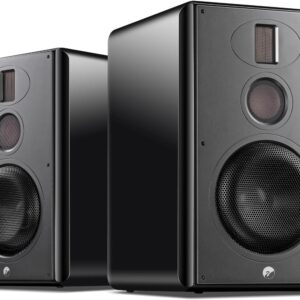
HiVi-Swans H6 Active 3-Way 240W Studio Monitor Speakers with WiFi + Bluetooth + Optical + Coaxial (Pair)
 Speakers
HiVi-Swans H6 Active 3-Way 240W Studio Monitor Speakers with WiFi + Bluetooth + Optical + Coaxial (Pair)
HiVi-Swans H6 — active 3-way studio monitor bookshelf speakers with 240W total power, 6.5″ Hi-Res woofer, and comprehensive connectivity including WiFi, Bluetooth, Optical, Coaxial, Line-in, and Balanced XLR inputs. Zero-compromise studio-monitor precision with full home hi-fi integration in one box. Perfect for the enthusiast who wants studio-monitor accuracy without giving up modern streaming — the mid-tier active model that sits between the compact Oasis 140 (passive) and the flagship M300MKII (360W).
SKU: n/a -
SonyHeadphones
Sony WH-1000XM6 — Flagship Wireless Over-Ear ANC Headphones (QN3 Processor, 12-Mic ANC, LDAC, USB-C Lossless, Foldable)
 Headphones
Sony WH-1000XM6 — Flagship Wireless Over-Ear ANC Headphones (QN3 Processor, 12-Mic ANC, LDAC, USB-C Lossless, Foldable)
The 2025 flagship Sony WH-1000XM6 — new QN3 processor + 12-mic ANC array (best-in-class noise cancellation), upgraded 30 mm carbon-fiber composite driver, folding hinge restored, LDAC + USB-C wired lossless, 30h ANC-on battery, 3-min fast charge = 3h playback, multi-point Bluetooth. The community “just buy it” flagship wireless ANC of 2026.
SKU: SONY-WH1000XM6 -
HiFiMANHeadphones
HiFiMAN Sundara Over-Ear Planar Magnetic Headphones — The Reference Sub-$300 Planar
HiFiMAN Sundara — r/headphones’ default recommendation for “your first planar magnetic headphone.” Full-size open-back design with HiFiMAN’s planar magnetic driver tech, delivering the detail retrieval, transient speed, and sub-bass extension that dynamic drivers can’t match at this price. Requires a proper headphone amp (like FiiO K11 or AIYIMA H4). $299 MSRP, often $199 on sale.
Audiophile community verdict: See what audiophiles say on r/headphones community thread
SKU: n/a -
DALISpeakers
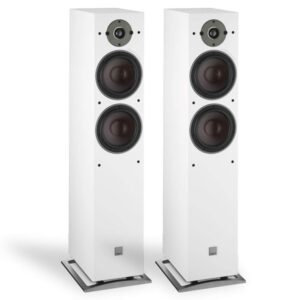
DALI Oberon 7 Floorstanding Speaker — White (Each) · 2.5-Way, SMC Motor, Dual 7″ Wood-Fibre Woofers, 29mm Silk Tweeter
 Speakers
DALI Oberon 7 Floorstanding Speaker — White (Each) · 2.5-Way, SMC Motor, Dual 7″ Wood-Fibre Woofers, 29mm Silk Tweeter
DALI Oberon 7 Danish 2.5-way floor-stander with proprietary SMC (Soft Magnetic Compound) motor tech, 29 mm silk soft-dome tweeter, dual 7″ wood-fibre woofers. 88 dB / 6 Ω easy load — drives cleanly with sub-$500 class-D amplification. Bass to 36 Hz eliminates subwoofer for many owners. White finish, front-firing port for placement flexibility. Sold each — buy two for stereo.
SKU: DALI-OBERON7-WHITE -
AIYIMAPower Supply
AIYIMA 48V 10A GaN Power Supply for A07 PRO A07 Max A70 High-Output Amplifiers
AIYIMA 48V 10A GaN Power Supply — flagship 480W GaN-based (gallium nitride) DC brick for high-output Class-D amplifiers. Gallium nitride switching delivers higher efficiency, cooler operation, and smaller footprint than traditional silicon SMPS at the same power. Full 48V rail at up to 10A unlocks maximum rated output of TPA3255 / TPA3251 platforms: AIYIMA A07 PRO, A07 Max, A70, and dual-block A20 MONO pairs. Universal AC 100-240V input with region-specific plug option: US, EU, UK, or AU — selected at checkout. Reduces PSU noise floor compared to budget switchers. Ideal for reference Class-D chain where the amp itself is not the bottleneck. $79.99 direct from Aiyima with our promo code.
Audiophile community verdict: See r/BudgetAudiophile AIYIMA 48V GaN threads
SKU: aiyima-48v-10a-gan-psu -
ToppingDAC
Topping E30 II Desktop DAC — Dual AK4493S, DSD512, Remote + Preamp Mode
Topping E30 II — the sub-$150 DAC that r/BudgetAudiophile keeps recommending. Dual AK4493S chips (successor to AK4493SEQ), DSD512 / PCM 32-bit 768 kHz, USB-C input, remote control, and switchable preamp mode. ASR “recommended” tier with THD+N around -117 dB. Perfect front-end for any budget amp — pair with AIYIMA A80, Fosi ZA3, or SMSL AO200 MKII. $149 on Amazon US.
Audiophile community verdict: See what audiophiles say on ASR forum review thread
SKU: n/a -
AIYIMAAmplifiers
AIYIMA A20 MONO Class-D Monoblock Power Amplifier
Featured in our review: The $130 Dual-Mono Trick: How Two AIYIMA A20 MONO Blocks Unlock a Soundstage That Shouldn’t Be Possible This Cheap
Featured in our review: This Tiny ( Monoblock Just Hit 417 Watts – Is It a Budget Audio Game Changer?
AIYIMA A20 MONO — true Class-D monoblock power amplifier delivering 300 W into 4 ohm (up to 600 W into 2 ohm at 10% THD) from a chassis smaller than a paperback. Built on the audiophile-favorite TPA3255 chipset with OPA1612 + LME49720 op-amps for a clean, low-distortion signal path. RCA + XLR + 6.35 mm TRS inputs; passive speaker binding posts and a dedicated RCA subwoofer output with adjustable high-pass filter. THD+N of 0.002% and signal-to-noise ratio above 118 dB — measurements that shame amplifiers 3× the price. Run one A20 MONO per channel as a dual-mono stack for a true balanced monoblock rig (each block gets its own dedicated power supply and current path, so left and right never fight over current). Frequency response 20 Hz – 20 kHz within ±0.4 dB. External DC 32-48 V power adapter included. Ideal amp for HiVi-Swans D3.1 MKII, Klipsch RP-500M II, and similar 87-96 dB sensitivity bookshelves. Pre-order launch $129.99 (regularly $149.99) — direct from Aiyima with our promo code.
SKU: aiyima-a20-mono -
AIYIMAAmplifiers
AIYIMA H4 Desktop Headphone Amplifier
AIYIMA H4 — dedicated desktop headphone amplifier under $100 built for driving demanding cans that motherboard and laptop jacks strangle. Handles planar magnetic headphones (HiFiMan Sundara, Edition XS, HE-400 series) and high-impedance dynamics (Sennheiser HD 6XX / HD 660S, Beyerdynamic DT 880 / DT 990 250-300 ohm) to reference listening volumes with clean headroom and low noise floor. Low-gain / high-gain switch on the rear supports sensitive 16 ohm IEMs and 300 ohm cans without channel imbalance. RCA line-level input pairs cleanly with any dedicated DAC — natural match for the AIYIMA D20 balanced DAC/preamp for a full AIYIMA desktop signal chain. Metal chassis, weighted volume knob, 6.35 mm + 3.5 mm headphone outputs. Delivers ~10× the current of a laptop headphone jack — that current is where the audible upgrade actually comes from. $95.99 direct from Aiyima with our promo code.
SKU: aiyima-h4 -
OnkyoAmplifiers, Streamer
Onkyo Muse Y-40 Network Streamer & Integrated High-Power Amplifier (Black)
Onkyo Muse Y-40 — all-in-one network streamer + integrated Class-AB amplifier at accessible price point. Complete hi-res streaming source + DAC + preamp + power amp in one $999 chassis. WiFi + Bluetooth + Ethernet + USB + optical + coax + RCA inputs. Perfect entry point to serious 2-channel hi-fi without a rack of separates. $999 direct from Onkyo, or Amazon US.
SKU: n/a -
OnkyoReceivers
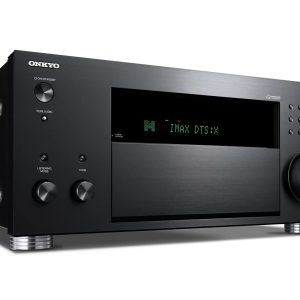
Onkyo TX-RZ50 9.2-Channel AV Receiver
Onkyo TX-RZ50 — reference 9.2-channel AV receiver delivering 120 W per channel with Dirac Live room correction out of the box (no upgrade key needed). Supports Dolby Atmos, DTS:X, IMAX Enhanced, and THX Certified Select processing for a true reference-grade home theater. 4K/120Hz + 8K/60Hz HDMI 2.1 passthrough for next-gen consoles (PS5 / Xbox Series X). Wi-Fi + Bluetooth + Chromecast built-in + AirPlay 2 + Sonos-compatible streaming. Preouts for all channels support external power amp expansion. Zone 2 + Zone 3 for multi-room audio; PhonoIN for turntable integration. This is Onkyo returning to reference form — Klipsch RP-8000 F II, KEF R Series, and Wharfedale Diamond towers all benefit from the RZ50 driving them properly. Live price on Amazon below.
Home theater community verdict: See AVSForum receivers discussion
SKU: B09D8SB7DN -
FiiODAC
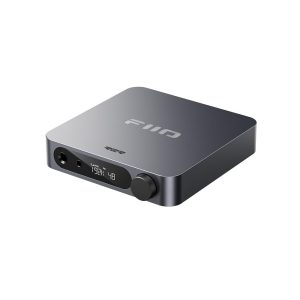
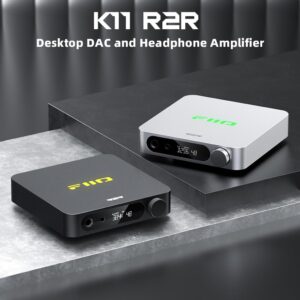
FiiO K11 Desktop DAC and Headphone Amp — 1400 mW Balanced Output
FiiO K11 — entry-level FiiO desktop DAC and headphone amplifier with a punchy 1400 mW balanced headphone output and full digital input suite (USB, coaxial, optical, RCA line-in). The mainstream K11 (not the newer R2R variant) uses proven delta-sigma DAC circuitry for clean, resolving output that measures well and drives most headphones — 32 ohm IEMs to 300 ohm Sennheisers — to reference volume with headroom. Balanced 4.4 mm and single-ended 6.35 mm headphone outputs; RCA line-out doubles as a preamp for feeding a power amp. USB DAC handles PCM up to 32-bit / 384 kHz. Metal chassis, weighted volume knob, gain switch for sensitive vs demanding loads. For anyone who wants proven FiiO build quality and reliable performance without stretching budget for R2R ladder DAC circuitry — the K11 is FiiO desktop DAC/amp done right at entry level. Live price on Amazon below.
Audiophile community verdict: See ASR forum desktop DAC reviews
SKU: fiio-k11 -
OnkyoAmplifiers, Streamer
Onkyo Icon P-80 Network Preamplifier (Black)
Onkyo Icon P-80 — reference-tier network preamplifier and streamer from the Icon Series, engineered as the matched partner to the M-80 power amp. Handles source selection, hi-res network streaming (WiFi + Bluetooth + Ethernet), DAC, and analog preamplification with premium component selection. Pair with the M-80 for a full Icon separates system, or feed any high-quality power amp of your choice. $1,999.99 direct from Onkyo (no Amazon listing).
SKU: n/a -
KossHeadphones
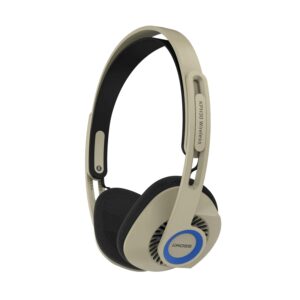
Koss KPH30 Wireless Bluetooth Retro On-Ear Headphones with USB-C
Featured in our review: Koss KPH30 Wireless Review: The Retro Cult Classic That Sounds Like $300 Headphones
Koss KPH30 Wireless — the cult retro on-ear Bluetooth 5.0 headphones with the legendary Koss signature (bright, energetic, forward-vocal) rebuilt with 20+ hour battery life, USB-C fast charging, and an integrated microphone for calls. Same distinctive lightweight open-back-ish retro shell that made the wired KPH30i a $30 audiophile darling, cut loose from the cable and rebuilt for wireless daily-driver duty. Detachable 3.5 mm cable included for wired passive mode — works even with dead battery. Adjustable headband, on-ear pads that don’t clamp or heat up over long sessions. SBC + AAC codec support. Compliments-in-elevators aesthetic. Great first “real” pair for anyone stepping up from AirPods, or a lightweight secondary set for KPH30i fans who wanted a wireless version. Pairs beautifully with the AIYIMA H4 desktop headphone amp in wired mode for full desktop chain. Live price on Amazon below.
SKU: B0FFVFHZT7 -
OnkyoAmplifiers, Streamer
Onkyo Icon A-50 Network Integrated Amplifier (Black)
Onkyo Icon A-50 — network integrated amplifier from the Icon Series, combining streamer + DAC + preamp + Class-AB power amp in one reference-tier chassis. Full hi-res network streaming (WiFi + Bluetooth + Ethernet), full digital input suite, refined Class-AB amplification driving 4-8 ohm loads. Icon Series build quality at the more accessible integrated-amp price point vs. Icon P-80 + M-80 separates. $1,599.99 direct from Onkyo.
SKU: n/a -
HiVi-SwansSpeakers
HiVi-Swans D3.1 MKII Passive Bookshelf Speakers, 6.5″ 2-Way Home Speakers Pair
Featured in our review: HiVi-Swans D3.1 MKII Review – Affordable Speakers That Challenge High-End Audio
HiVi-Swans D3.1 MKII — passive 6.5″ 2-way home bookshelf speakers pair with 25 mm silk-dome tweeter and rear-firing bass port. Signature HiVi (Swan Speakers) tuning — neutral midrange, unfatiguing silk-dome top end, tight bass reaching around 45 Hz in-room without a subwoofer needed for most music. Passive design — needs a stereo amplifier or receiver (natural pairing with a pair of AIYIMA A20 MONO monoblocks for a full dual-mono chain, or any warm tube / Class-AB integrated in the $300-600 range). Scales with amplifier quality — the better the amp, the more these speakers reveal. 88 dB sensitivity nominal; 30-100 W of clean amplification is the sweet spot. Rear port needs 8-12″ of space behind the speaker for full bass extension. Compact bookshelf format fits on stands or a bookshelf without dominating a room. Live price on Amazon below.
Audiophile community verdict: See r/BudgetAudiophile community threads
SKU: B0FCFG9TTY -
SoundcoreHeadphones
Soundcore Space One Pro, Over-Ear Headphone
Soundcore Space One Pro — flagship Anker over-ear active noise cancelling (ANC) Bluetooth headphones under $150 with LDAC hi-res codec support, adaptive ANC across low and mid frequencies (real plane / office / bus quieting), 60+ hour battery life with ANC off (~40 with ANC on), and USB-C fast charge (5-min top-up delivers ~4 hours of playback). Multipoint Bluetooth pairing switches automatically between laptop and phone for seamless call handling. Foldable design with included travel case fits in a backpack pocket; under 300 g weight keeps them comfortable for long-haul flights. Mildly V-shaped tuning (bass and treble emphasis) — pop / hip-hop / EDM friendly, less studio-neutral. Targets the Sony WH-1000XM5 / Bose QC Ultra segment at half the price and closes most of the gap on features. Great primary travel pair or a “features-first” upgrade from AirPods Pro. Live price on Amazon below.
SKU: B0CZ8G716J -
MICCASpeakers
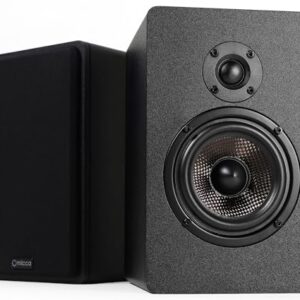
Micca MB42X G2 Premium 2-Way Passive Bookshelf Speakers (Pair) — 4-Inch Carbon-Fiber Woofer, Silk-Dome Tweeter, Front-Firing Port
 Speakers
Micca MB42X G2 Premium 2-Way Passive Bookshelf Speakers (Pair) — 4-Inch Carbon-Fiber Woofer, Silk-Dome Tweeter, Front-Firing Port
Micca MB42X G2 Premium 2-Way Passive Bookshelf Speakers — the community-standard sub-$100 passive bookshelf pair on r/BudgetAudiophile. 4-inch woven carbon-fiber woofer, 0.75-inch silk-dome tweeter, front-firing port (wall-friendly), 5-way binding posts. Called “the most affordable goat” by Z Reviews. Pair with the AIYIMA A20 Stereo 2.1 or Fosi ZA3 for a full sub-$300 hi-fi rig.
SKU: micca-mb42x-g2 -
WiiMAmplifiers
WiiM Amp Streaming Amplifier — Original (120W×2, AirPlay 2, HDMI ARC, ES9018K2M DAC, Space Gray)
 Amplifiers
WiiM Amp Streaming Amplifier — Original (120W×2, AirPlay 2, HDMI ARC, ES9018K2M DAC, Space Gray)
The 2023 launch WiiM Amp (Space Gray finish) — full AirPlay 2 support (dropped in the newer Pro), 60 W×2 @ 8Ω / 120 W×2 @ 4Ω class-D, HDMI ARC, MM phono, sub out, ES9018K2M DAC, Wi-Fi 5, Bluetooth 5.1. Buy this for Apple households; buy the WiiM Amp Pro for cleaner sound + Roon Ready.
SKU: WIIM-AMP-SPACEGRAY -
FiiODAC
FiiO K11 R2R Desktop DAC and Headphone Amp — Discrete R2R Ladder Under $200
FiiO K11 R2R — the cheapest way into true discrete R2R ladder DAC sound. Uses a hand-picked 24-bit resistor-ladder DAC circuit (physically different from the delta-sigma chips in the base K11 and every Topping/SMSL competitor) for the warmer, more analog top-end R2R is famous for — without the $1,000+ price tag. Full digital input suite: USB-C, coaxial, optical, plus Bluetooth 5.1 with LDAC. Balanced 4.4 mm + single-ended 6.35 mm headphone outputs, 1400 mW into 32 Ω balanced — same power spec as base K11 but with R2R signature sound. Drives 32 Ω IEMs through 300 Ω Sennheiser dynamics with headroom to spare. Machined metal chassis, weighted knob, front OLED. Under $200 on Amazon is R2R value that did not exist two years ago. Live price on Amazon below.
Audiophile community verdict: See ASR forum R2R DAC discussions
SKU: n/a -
OnkyoAmplifiers, Streamer
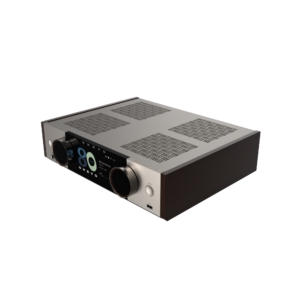
Onkyo Muse Y-50 80th Anniversary Special Edition Network Streamer & Integrated Amplifier
 Amplifiers, Streamer
Onkyo Muse Y-50 80th Anniversary Special Edition Network Streamer & Integrated Amplifier
Onkyo Muse Y-50 80th Anniversary Special Edition — commemorative network streamer + integrated high-power amplifier celebrating 80 years of Japanese hi-fi craftsmanship. Limited-run finish and badging over the flagship Muse Y-50 platform. All-in-one solution combining hi-res streaming (WiFi + Bluetooth), DAC, preamp, and Class-AB power amplifier in one chassis. Drives 4-8 ohm bookshelves and floorstanders with authority. $1,699.99 direct from Onkyo — currently Out of Stock, notify list open.
SKU: n/a -
SMSLAmplifiers
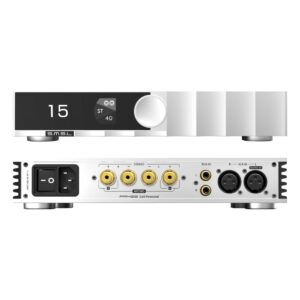
SMSL PA400 GaN HiFi Amplifier — 250W Class-D with Gallium Nitride Output, Balanced XLR + RCA + XLR-Mono
 Amplifiers
SMSL PA400 GaN HiFi Amplifier — 250W Class-D with Gallium Nitride Output, Balanced XLR + RCA + XLR-Mono
SMSL PA400 flagship class-D power amp with Gallium Nitride (GaN) output stage — faster switching, cleaner treble, tighter transients, cooler thermals than silicon-based class-D. 250W stereo / 500W bridged mono per chassis. XLR-Balanced + RCA + XLR-Mono inputs. Direct GaN upgrade over the SMSL PA200.
SKU: SMSL-PA400 -
OnkyoAmplifiers
Onkyo Icon M-80 Power Amplifier (Black)
Onkyo Icon M-80 — reference Class-AB power amplifier from the Icon Series, engineered as the matched partner to the Icon P-80 network preamp. Delivers refined high-power amplification with balanced XLR + single-ended RCA inputs, driving demanding 4-8 ohm loads with authority. Icon Series build quality with premium component selection. $1,999.99 direct from Onkyo (no Amazon listing).
SKU: n/a -
SoundcoreHeadphones
Soundcore by Anker Space One ANC Over-Ear Bluetooth Headphones — LDAC Hi-Res, 40H Battery, App Control
 Headphones
Soundcore by Anker Space One ANC Over-Ear Bluetooth Headphones — LDAC Hi-Res, 40H Battery, App Control
Soundcore by Anker Space One — the sub-$100 over-ear ANC headphones that r/headphones consistently rank as the “best budget noise canceller for LDAC hi-res.” Bluetooth 5.3, dual-app EQ, 40-hour ANC playtime, multi-point pairing, and LDAC hi-res codec support at price where competition ships only SBC/AAC. Direct competitor to Sony WH-CH720N + Bose QuietComfort SE at $200-300 tier. Amazon $59.99 (renewed); AliExpress from $49.92.
Audiophile community verdict: See r/headphones community discussions
SKU: n/a



There are no reviews yet.